
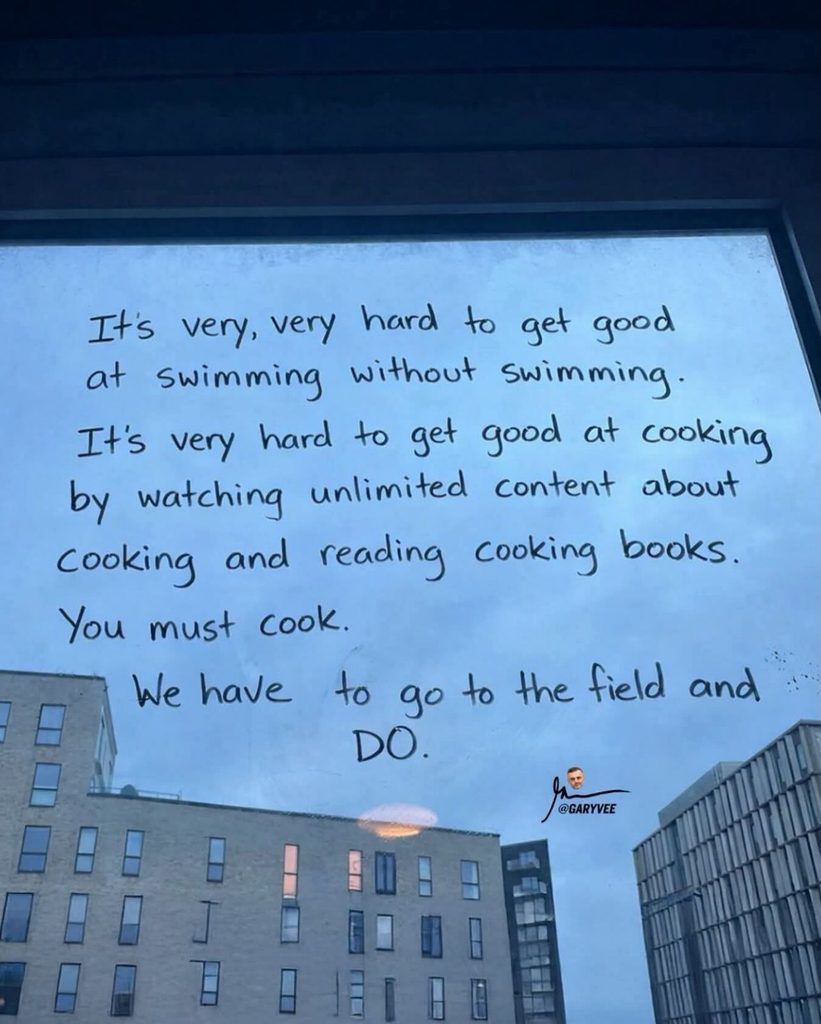
This is one of those things that too many people aren’t “getting” lately.
I do a lot of reenactment. I run into people who will happily tell me that the only “approved fabric” for dresses and waistcoats of colonial New England are (insert fabric choices here). They’ll explain there are 3 acceptable patterns, and no variations may ever be made because it’s not historically correct.
This is absolute poppycock. It’s bullshit with extra fiber. At no point in history have women EVER been content with five fabric choices and 3 acceptable dress patterns. Never. Leaving aside the absurdity of even saying that, it points to a much greater problem… that the people saying it actually believe it.
There is this pervasive outlook among the new “historians” (I use the term quite loosely) today that if you don’t have an extant piece showing the exact (whatever), then it didn’t exist. You can’t prove it, so you can’t say it existed.
That is not how history works. I file that under the scientists and archaeologists who tell me that the little stone carved fat ladies were all goddesses. I’m sure some might have been, but I’m equally sure that some of it was porn, because men are about porn the way women are about dress fabrics.
As a member of a few historical societies, I’ve run into people doing experiential archaeology. This means they are taking the items that were available at the time, and using them in the way we either know they were used or posit they were used, to see if the end result matches what we think we know. The end result of many of these experiments is that we change our views. At one time, we thought dinosaurs were lizards, and now we know they were often bird-like. At one time, we thought medieval clothing was all muddy colored and dark, mostly blacks and browns. Now we know that’s so wrong as to be comical, and that medieval clothing was riotously colorful, loud, and often clashing. It took people DOING in order to figure out how we got to the end point… or to figure out that the end point we thought was there, was not.
I am an amateur historian. I do experiential historical cooking. This means that I play with recipes from various time periods (medieval, Viking, colonial American, etc), and I try to figure out what they were doing. It isn’t always obvious. Redacting a recipe (taking it from “Hew ye thee bef into gobbettes” to “dice your beef into even sized pieces about a half inch in size) includes some science, some art, and a lot of translation. You not only have to know about recipes and cooking in general, you have to know about THAT recipe IN CONTEXT. If a medieval recipe asks for an exotic ingredient, it may mean a number of things, and you have to figure out which one is correct (is it a new ingredient brought by an adventurer? did it arrive on the spice trail? is it a modern recipe wrongly identified as medieval? etc). Nothing about it is easy, and not one part of it can be done without engaging in the actual DOING.
There are a couple of recipes I’ve done that really surprised me. The first is “cucumber mandrang,” which is basically a sort of dilly relish that was eaten as a salad or side during the early part of the 18th century. It contains some fun ingredients, including cayenne pepper, which surprised me. It must have just arrived, because we have no earlier mentions of it as far north as New England. How exciting! The second is “chicken pudding,” which is a left-over chicken quiche, for all intents and purposes. It’s tasty and odd, and a great way to use up leftovers and extra eggs in the spring.
The mandrang surprised me because of the spicing. It’s made with port or sherry, “chayne” (their word for cayenne), and a few other spices, mixed in with finely diced cucumber. It’s refreshing and tasty, and one of the few raw recipes I’ve run across from that early. It’s unusual and delicious, and it has a strong resemblance to crock pickles or refrigerator pickles.
The chicken pudding got me because it looks so odd, has a different name, and yet comes out looking so familiar. It tastes great, though slightly different than you think it will when you see it.
I could never have learned any of the stuff I did without actually trying to make these things. Going by books alone, neither of the recipes I’ve mentioned were all that odd. It was the doing that brought out how amazing they are. I learned so much more by actively doing!
We need to encourage kids in school to begin doing. There are too many who just regurgitate information, because that’s what they’re taught. Spit out test answers on demand, and never learn a thing, and never DO. We need them doing… experiencing… experimenting… and growing.
We need that, too. We need to stop repeating our mistakes.