
Why Steam Engines
I’ve had a fascination in steam engines since my childhood. There are pictures of my brother in the museum in D.C. standing next to the drive wheels of a steam locomotive. The wheels were taller than my father.
What I didn’t realize as a child was that the actual engines were small compared to the size of the locomotive.
The engines of steam locomotives are the expansion cylinders that drive the wheels. Most of the rest of the locomotive is the boiler generates the steam for the engine.
As a child I was able to ride a steam locomotive a few times and always found them interesting.
Later I found out that steam engines are used for more than just locomotives. They were used to power tractors, steam shovels, boats, mills, and workshops. They were everywhere. It wasn’t until electric motors became cheap and plentiful that we saw the end of the steam engine.
Off Grid Use
An electric motor is used to convert power into rotational force. That power has to come from somewhere.
The most common “somewhere” is the power grid. If you are going off grid, that is not an option. It is also not an option when the grid is down.
Grid down is a common thing in these parts, it happens two or three times every year. It is so common that we do not depend on electricity for heat.
Yes, we have an oil fired furnace; no, it can’t be used without electricity. The burner unit requires power to inject the fuel and then it requires electricity to power the fans moving air through the system to warm the house.
Suck, Squeeze, Bang, Blow
This is used to describe a standard four-stroke engine. Each word indicates the purpose of a stroke of the piston. First the piston moves down, sucking in fuel and air; then it squeezes that fuel-air mixture; next a spark happens and the fuel-air mixture goes bang, pushing the piston down (this is the power stroke); finally the piston moves up, blowing the exhaust out of the cylinder.
There is one power stroke out of every four or one power stroke for every two revolutions of the crank.
To make this all happen, we have the camshaft. The camshaft consists of multiple lobes that push a rod upward to open a valve.
There is one lobe for each valve in an engine. For a single-cylinder engine, there are two valves.
That camshaft holds the magic timing for the valve train. It is synchronized to the crankshaft. The camshaft opens the intake valve and closes the exhaust valve at the start of the suck stroke. It closes both valves during the squeeze stroke and keeps them closed during the bag stroke. Finally, it opens the exhaust valve to allow the hot gases to escape during the push stroke.
Those camshafts are a engineering marvel.
Push, Push, Push, Push
A double acting steam engine generates power on every stroke of the piston. This is accomplished by being able to pressurize both sides of the piston, alternating between strokes.
Whereas the four stroke engine gets one power stroke in four, the double acting steam engine gets four power strokes in four.
Most steam engines use a slide valve; some use piston valves.
An internal combustion engine has the valves in the cylinder; slide and piston valve engines have an externally located valve.
There is a single passage for the steam to flow into and out of for each end of the cylinder. The slide valve moves in such a way that sometimes it is venting high-pressure steam into the cylinder, and then it vents that same passage to the exhaust port.
This single valve controls the ingress and egress of live and dead steam from the cylinder. It is very magical.
And just like that camshaft is an engineering marvel, so are these slide and piston valves.
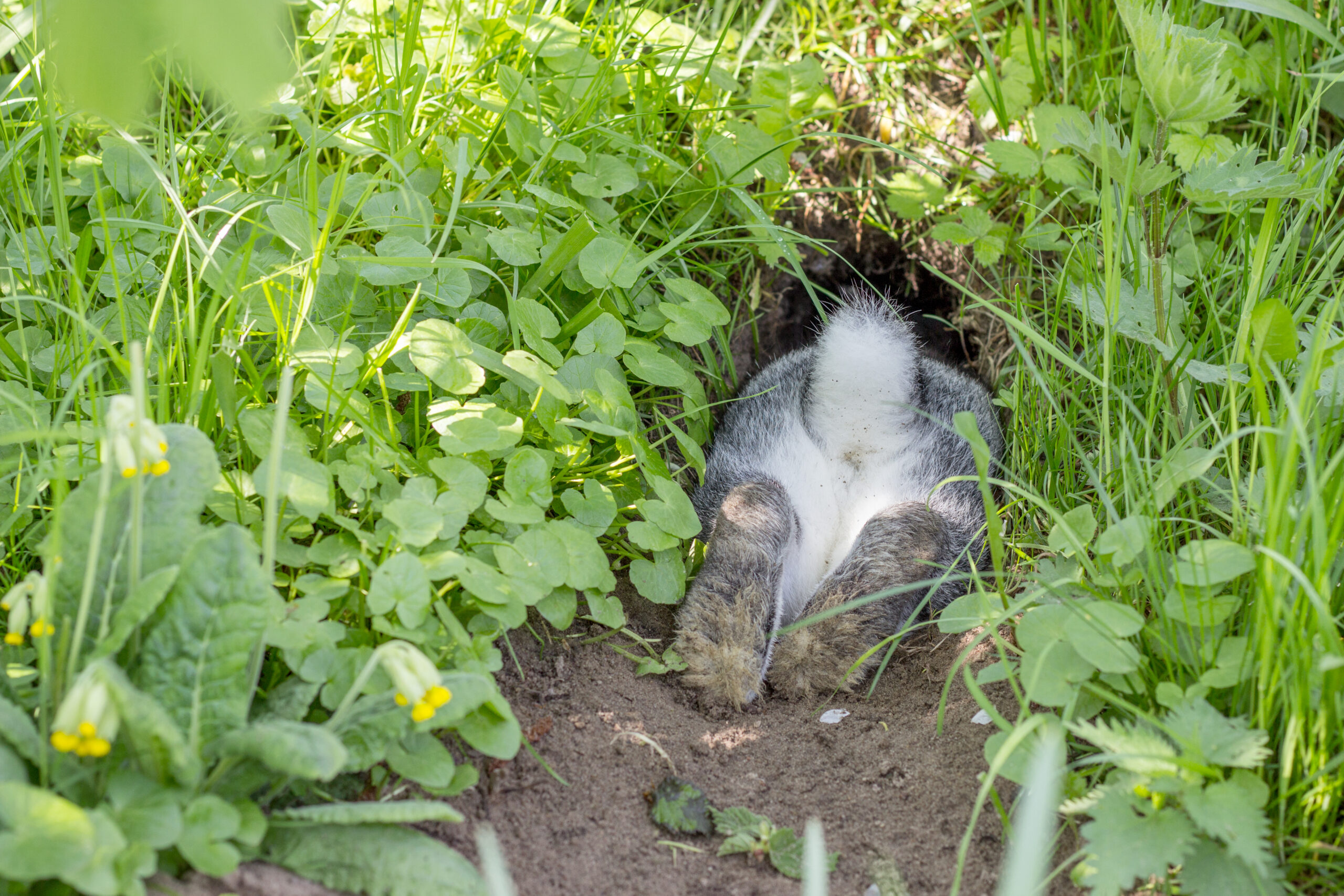
The Rabbit Hole
A slide valve consists of three slots parallel to each other. The two outer slots lead to either end of the cylinder; the center slot leads to exhaust. The valve is shaped like an upside down square cake pan with large lips.
In the far end of the motion, the edge of the pan is between the steam passage and the exhaust passage. This allows the high pressure steam that fills the steam chest to push down on the cake pan/slide valve and flow into the exposed steam passage to one end of the cylinder.
At the same time, the center section of the pan covers both the exhaust passage and the steam passage to the other end of the cylinder, allowing the dead steam to escape down the exhaust passage.
As the valve slides in the other direction, the lip of the pan starts to cover the steam passage that had accepted the live steam. At the same time, the lip on the other side of the valve is starting to close over the other steam passage.
The size of the passages and ports, the size of the area under the valve, the size of the lips of the valve, the distance between ports all play a part in the efficient running of the engine. These have to be designed and manufactured correctly.
We can time the motion of the slide valve to the crankshaft. We can also adjust the valve so it is centered correctly. We can change the geometry of the valve without remaking it.
Which all takes me down the rabbit hole of learning about slide valves.
There are multiple textbooks, written during the age of steam, describing how the valves work and how to design them correctly.
And I haven’t even figured out what questions to ask to figure out what “wire drawing” in steam passages means and how to design the steam passages.
On the good news front, I will be able to get patterns made for everything that needs to be cast. Now to find a foundry to cast them.
One of the saddest days in recent decades is when Lindsay decided to retire and close down his publishing company. I have a bunch of the books he published, but nothing about steam engines.
BTW, there is an amazing in depth animated description of one of the last and largest steam locomotives on-line. https://www.youtube.com/watch?v=Hszu80NJ438 Truly astonishing, and the creator of that video did a bunch of others — one of which is the clearest (by far) description of an Enigma cipher machine I have ever seen.